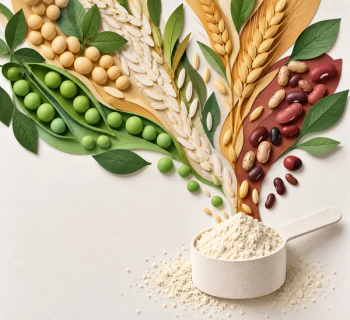
Emerging plant protein sources are redefining how protein products are formulated.
Using a microbial strain from Novonesis, the program aims to provide an animal-free and scalable production of the milk protein using precision fermentation.
In a July 10, 2025,
“Alpha-lactalbumin is incredibly valuable, but current supply from cow’s milk is limited,” stated Thomas Schmidt, CEO of 21st.BIO, in the press release. “It is challenging and costly to extract at scale, which is why current supply is mostly reserved for the very high-end infant formula market. Through precision fermentation, we make production more efficient, sustainable, and – most importantly – available to many, not just the few. On top of this, we are able to produce α-lac of high purity, an important parameter for infant nutrition.”
The program launch comes after the company licensed the high-yield microbial strain from biosolutions company Novonesis. 21st.BIO intends to optimize the strain for industrial fermentation with the aim of being cost competitive. As the press release noted, one kilogram of α-lac is obtained from approximately one thousand liters of milk.
“We are proud to see our world-class strain being brought to market to solve current challenges in food and nutrition by 21st.BIO,” stated Thomas Batchelor, senior vice president of Advanced Health and Protein Solutions at Novonesis. “We continually strive to be at the forefront of innovation and this strain is one result of our pioneering work in R&D, strain development and production. We see α-lac as a great fit to 21st.BIO’s strategy and portfolio, making it the right path forward while we in Novonesis continue to focus on other protein innovation and we’re excited about the future of protein made with precision fermentation.”
The fermentation program aims to address the increasing global demand for milk proteins and challenges from decreasing production.
"We're heading for a protein supply gap,” added Schmidt. “The industry itself is telling us: We won't be able to meet future demand using traditional methods alone. Precision fermentation is a complementary solution – one that can reduce pressure on natural resources, lower environmental impact, and create a more distributed and resilient supply chain."