Formulation Trends Shaping Innovation and New Product Development in Nutraceuticals
Formulation Trends Shaping Innovation and New Product Development in Nutraceuticals
Formulation trends across the nutraceutical industry are converging around ingredient innovation, clinical validation, and smarter delivery formats. Ashwagandha continues its rise, driven by standardization and expanding use cases beyond stress and sleep into male health and broader wellness routines, while creatine evolves from a sports nutrition staple into applications spanning brain energy metabolism, healthy aging, and muscle preservation for GLP-1 users. Protein demand remains strong across categories, and cognitive health formulations increasingly combine ingredients like magnesium, ginseng, and adaptogenic botanicals to deliver both acute and long-term benefits. Life-stage-specific clinical research emerges as a critical gap in women's health, and industry experts weigh in on where active nutrition, healthy aging, and women's health formulation are headed next, along with untapped white space in probiotics, postpartum and infant nutrition, and stable liquid delivery formats. Together, these insights offer a data-driven look at where consumer demand and product innovation are converging in 2026.
A panel at The Outlook on Active Nutrition discussed quality in sports nutrition focused on testing, liability, and what buyers now expect from suppliers.
A new gummy portfolio from ingredient and delivery-format supplier SIRIO Europe illustrates how quickly creatine is being repositioned for general wellness consumers.
This Q&A with Maypro's Lauren Clardy discusses the innovation areas—from scientific substantiation to delivery systems—set to define the future of skin and hair health.
The ingredient manufacturer's ingredients now appear in a vaginal microbiome capsule and an allergy oral strip, signaling broader category use for pro- and postbiotics.
At this year’s The Outlook on Active Nutrition, Joey Savage, founder of Savage Nutra, gives supplement makers an "honest scorecard" of where the research stands and where human data is still needed.
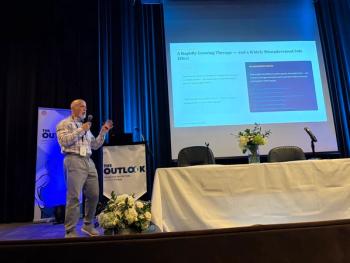
At The Outlook on Active Nutrition, Doug Kalman, PhD, RD, FISSN, outlines where GLP-1 drugs are falling short, and where nutraceutical brands can step in.
At The Outlook on Active Nutrition, Michelle Arent, RD, MPH, CSCS, CISSN, director of Olympic sports performance nutrition at the University of South Carolina, tells attendees that vague testing language is putting college athletes at risk, and called on supplement brands to build clearer, more transparent partnerships with universities and practitioners.