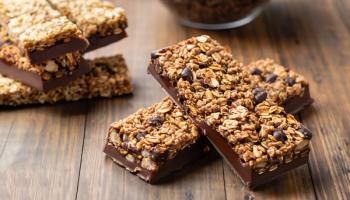
A look at the market data and functional ingredient innovations driving the next generation of nutrition bars.
A new protein report by ADM investigated what protein trends are motivating consumers and how this can help brands in the industry meet those demands.
ADM's 2025 report titled "The Powerful Trends That Are Shaping Alternative Protein Innovation" explores what’s
According to the report, consumers are becoming more interested in increasing their protein intake but are not interested in compromising on taste and texture. In the report, 63% of consumers state that taste and nutrition are equally important factors.
Vegetarians and vegans are the second group. Vegans do not eat any types of animal products, but vegetarians consume some animal products such as eggs and cheese. The report found that 4% of consumers would consider themselves vegetarians, while 1% label as vegans. The final group is labeled as “carefree”. Consumers that fall into this group eat both animal-based and plant-based products and do not appear to avoid either of those options. Report data showed that this is the “largest consumer group across global populations”2 with 49% of consumers falling into this group. Carefree and flexitarian consumers offer brands more flexibility with regard to protein offerings.
Among plant-forward consumers like vegans and vegetarian, soy is among the most popular and well-recognized option, particularly among Millennials and Gen Z, but other options for plant-based proteins like chickpea and lentils are growing in popularity. Given the variety of options, protein blends appear to be the newest trend picking up steam in the food space. These blends combine multiple protein sources, including legacy proteins, unlocking benefits for consumers without requiring them to significantly change their diet. This means that lexitarians stay flexitarians, and carefree eaters can stay carefree eaters.2 With blended proteins, brands can meet the growing interest of higher protein formats while meeting “rising consumer demand.”2 Additionally, blends perform better in the marketplace than traditional meat, or dairy-based, or all-plant protein products.
The next trend to hit the market, according to the report, is fermentation-derived protein. Report data found that there is growing interest in this type of protein as consumers demand more specialized nutrition formulations.2. Fermentation technology allows formulators to create innovative protein ingredients with greater precision and nuance, and Millennial and Gen Z consumer are among the most interested in products made with fermentation (72% and 68%, respectively).
Overall, consumers want more protein because they believe it will help them stay healthy. According to the report, 80% of consumers believe eating more plant-based protein helps them age better, and 78% believe it will help them build or maintain muscle mass and strength.
References