
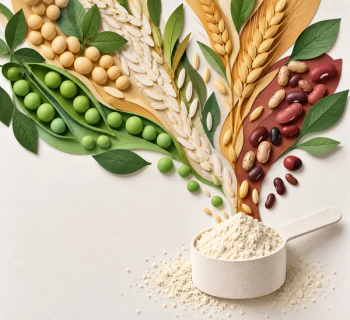
Emerging plant protein sources are redefining how protein products are formulated.
Soy protein is a valuable tool in the health and wellness toolbox, writes one medical doctor.
I think we can all agree that one of the best ways to live a healthy life is maintaining a healthy diet and exercising regularly. As a medical doctor, who early in my career chose to focus on understanding nutrition’s impact on our bodies, I am a proponent of a balanced diet that includes healthy plant-based foods—especially soy protein.
Obesity is linked to many potentially
How to Choose the Source of Protein That’s Best for You
With consumers seeking more plant-based proteins and many choices available, including rice, beans, quinoa, pea, soy, and others, it can be tough for consumers to know which plant-based proteins are best for them. The truth is, not all plant-based proteins are created equal.
Unlike the other plant-based proteins, soy is the only one considered a complete protein. Soy contains all 21 amino acids, including the nine essential amino acids that the body cannot make. The essential amino acids can come from the foods we eat. Soybeans are also a good source of fiber, minerals, and complex carbs. Soy protein contains phytonutrients called soy isoflavones, which act as antioxidants, and they feed healthy gut bacteria, making them “prebiotics.” Soy may also benefit the heart. Some studies
With So Many Health Benefits, Why Does Soy Sometimes Receive a Bad Rap?
Several years ago, there were reports that soy had a link to breast cancer. However, scientific research has
Now that you understand the joy of soy, there are many ways to add soy to your diet. Foods rich in soy include edamame (whole soybeans), tofu, tempeh, and a convenient, on the go option: a soy protein meal replacement shake. Soy is indeed the perfect protein and an essential addition to a healthy diet. A balanced diet, and lifestyle that includes healthy proteins like soy and regular exercise can help our bodies stay fit and strong.
Dr. David Heber, MD, PhD, FACP, FASN, is the Chairman of the Herbalife Nutrition Institute (HNI), which promotes excellence in nutrition education for the public and scientific community and sponsors scientific symposia. Heber is the Founding Director of the Center for Human Nutrition at the University of California, Los Angeles*, where he has been on the faculty of the UCLA School of Medicine since 1978. He is currently Professor Emeritus of Medicine and Public Health and Founding Chief of the Division of Clinical Nutrition in the Department of Medicine of the David Geffen School of Medicine at UCLA. His main research interests are obesity treatment and nutrition for cancer prevention and treatment. Additionally, Heber directed both the National Cancer Institute-funded clinical nutrition research unit and the National Institutes of Health (NIH) nutrition and obesity training grants at UCLA for over 15 years. For five years, he also directed the NIH-funded UCLA Center for Dietary Supplement Research in Botanicals. He is the former Chair of the Medical Nutrition Council of the American Society for Nutrition, the largest scientific society in nutrition. Heber is a Fellow of the American Society for Nutrition, the highest honor the society confers.* The University of California as a matter of policy does not endorse specific products or services. Heber’s credentials as a professor are for identification purposes only.
References