You tested your herbal adulteration knowledge, now here are the answers.
Advertisement
Which botanical extract, often used for men’s health, is at risk of being adulterated with cheaper plant oils such as palm, canola, and coconut oil? (Answer: D, Saw Palmetto)
Which botanical extract is at risk of being adulterated with peanut skin, posing an allergen risk to potential consumers? (Answer: B, Grape Seed Extract)
Due to its difficult supply chain, this fungi ingredient would benefit from high quality and cost-effective laboratory analysis to ensure identity. (Answer: E, Cordyceps)
Because of this ingredient’s characteristic color, unscrupulous suppliers will adulterate its supply with synthetic dyes. (Answer: A, Turmeric)
Due to its similarity to another herb called germander, this ingredient is at risk of being misidentified in the wild or deliberately misrepresented. This is particularly dangerous because consumption of germander can be toxic to the liver. (Answer: C, Blue skullcap)
The Nov. 20 veto of S1239-F, the Food Safety and Chemical Disclosure Act, drew support from supplement and food trade groups and criticism from Consumer Reports.
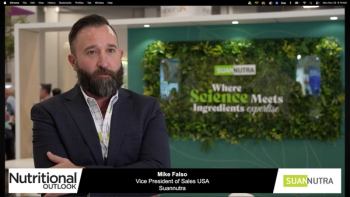
Mike Falso, Vice President of Sales USA at Suannutra, discusses the company’s Visible Health™ Platform and how it connects clinically backed ingredients with results consumers can see, feel, and experience.
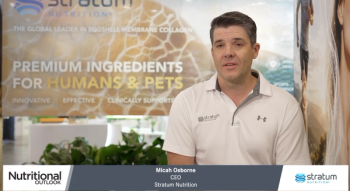
Micah Osborne, CEO of Stratum Nutrition, discusses how eggshell membrane gives brands an opportunity to move beyond traditional single-source collagen products.
Alfredo Reyes, General Manager of Soft Gel Technologies, Inc. (SGTI), explains what it takes for a softgel manufacturer to turn new ideas into products
At SupplySide Global, Filipa Quintela shares Kemin’s 2027 outlook, from GLP-1 nutrition science to gut health and longevity, plus how FloraGLO Lutein is moving into cognitive health.